Skip to content

  • Cell & Tissues
  • Histology & Tissues
  • Biochemistry
  • Metabolism
  • Physiology & Homeostasis
  • Immunity, Blood & Healing
  • Catabolism vs Anabolism: Understanding the Body’s Build and Break Cycle in Physical Therapy
    Metabolism

    Catabolism vs Anabolism: Understanding the Body’s Build and Break Cycle in Physical Therapy

    ByPaul Morgan June 9, 2026

    Learn the difference between catabolism and anabolism, how these metabolic states affect muscle growth and tissue repair, and how physical therapy balances both for optimal recovery. The human body is never static. Even when you are sitting still, your cells are engaged in a constant, dynamic interplay of building and breaking down — constructing new…

    Read More Catabolism vs Anabolism: Understanding the Body’s Build and Break Cycle in Physical TherapyContinue

  • Carbohydrates as Muscle Fuel: What Physical Therapy Patients Should Know
    Biochemistry

    Carbohydrates as Muscle Fuel: What Physical Therapy Patients Should Know

    ByPaul Morgan June 9, 2026June 9, 2026

    Discover how carbohydrates fuel muscles during exercise and physical therapy, why glycogen matters for recovery, and how carbohydrate intake influences rehabilitation outcomes. Carbohydrates have a complicated reputation. Popular diets often demonize them, while sports scientists recognize them as the preferred fuel for high-intensity exercise. In the context of physical therapy and rehabilitation, the truth about…

    Read More Carbohydrates as Muscle Fuel: What Physical Therapy Patients Should KnowContinue

  • Connective Tissue: The Most Important Tissue in Physical Therapy
    Histology & Tissues

    Connective Tissue: The Most Important Tissue in Physical Therapy

    ByPaul Morgan June 9, 2026June 9, 2026

    Understand how connective tissue — including tendons, ligaments, cartilage, and fascia — works and heals, and why it is the primary focus of physical therapy treatment. If there is one tissue that physical therapists work with more than any other, it is connective tissue. Tendons, ligaments, cartilage, fascia, joint capsules, intervertebral discs — all of…

    Read More Connective Tissue: The Most Important Tissue in Physical TherapyContinue

  • The Plasma Membrane: How Cells Communicate and What It Means for Healing
    Cell & Tissues

    The Plasma Membrane: How Cells Communicate and What It Means for Healing

    ByPaul Morgan June 9, 2026

    Discover how the plasma membrane controls what enters and exits cells, and how this boundary plays a key role in inflammation, healing, and physical therapy. Imagine a city surrounded by a sophisticated wall — a barrier that controls who enters, who exits, and what messages pass through its gates. That is essentially what the plasma…

    Read More The Plasma Membrane: How Cells Communicate and What It Means for HealingContinue

  • The Immune System: How Your Body Defends Itself After Injury and During Physical Therapy
    Immunity, Blood & Healing

    The Immune System: How Your Body Defends Itself After Injury and During Physical Therapy

    ByPaul Morgan June 8, 2026June 8, 2026

    Learn how the immune system responds to injury, how it coordinates the healing process, and how physical therapy supports immune function during rehabilitation. When you sprain an ankle, tear a muscle, or undergo surgery, your body faces a dual challenge: repair the damaged tissue and defend against potential infection. Both tasks fall to the immune…

    Read More The Immune System: How Your Body Defends Itself After Injury and During Physical TherapyContinue

  • Homeostasis: How the Body Maintains Balance During Exercise and Physical Therapy
    Physiology & Homeostasis

    Homeostasis: How the Body Maintains Balance During Exercise and Physical Therapy

    ByPaul Morgan June 8, 2026June 8, 2026

    Learn how homeostasis maintains the body’s internal balance during exercise, injury, and physical therapy — and how therapeutic interventions support these regulatory systems. The human body is subject to a constant barrage of internal and external challenges: temperature fluctuations, changing oxygen demands, blood glucose swings, pH shifts from exercise, and the physiological stress of injury….

    Read More Homeostasis: How the Body Maintains Balance During Exercise and Physical TherapyContinue

  • ATP: The Universal Energy Currency of the Human Body and Its Role in Physical Therapy
    Metabolism

    ATP: The Universal Energy Currency of the Human Body and Its Role in Physical Therapy

    ByPaul Morgan June 8, 2026June 8, 2026

    Discover how ATP works as the body’s universal energy currency, how it fuels muscle contractions, and why ATP production is central to physical therapy and rehabilitation. Every movement you make — lifting your arm, taking a step, contracting a muscle during physical therapy — is powered by a single molecule: adenosine triphosphate, or ATP. Called…

    Read More ATP: The Universal Energy Currency of the Human Body and Its Role in Physical TherapyContinue

  • Proteins in the Human Body: Structure, Function, and Muscle Recovery
    Biochemistry

    Proteins in the Human Body: Structure, Function, and Muscle Recovery

    ByPaul Morgan June 8, 2026June 8, 2026

    Learn how proteins are structured, what they do in the body, and why adequate protein intake is essential for muscle recovery and tissue healing in physical therapy. Of all the biological molecules in the human body, proteins are the most diverse and functionally versatile. They build muscle fibers, form collagen in tendons and ligaments, transmit…

    Read More Proteins in the Human Body: Structure, Function, and Muscle RecoveryContinue

  • Types of Body Tissues: The Foundation of Physical Therapy Treatment
    Histology & Tissues | Uncategorized

    Types of Body Tissues: The Foundation of Physical Therapy Treatment

    ByPaul Morgan June 8, 2026June 8, 2026

    Explore the four main types of human body tissues, their structures and functions, and why understanding histology is essential for physical therapy. The human body is not just a collection of organs and bones. At a deeper level, it is an intricate assembly of tissues — each with its own structure, function, and capacity for…

    Read More Types of Body Tissues: The Foundation of Physical Therapy TreatmentContinue

  • The Human Cell: Structure, Function, and Why It Matters in Physical Therapy
    Cell & Tissues

    The Human Cell: Structure, Function, and Why It Matters in Physical Therapy

    ByPaul Morgan June 7, 2026June 8, 2026

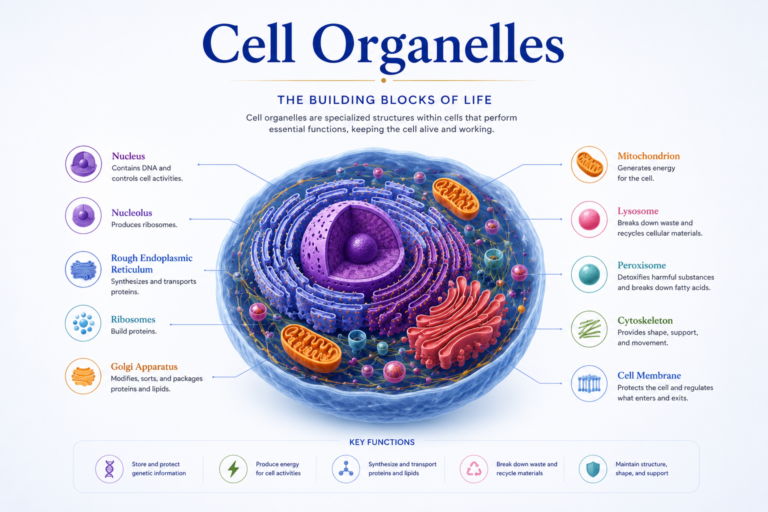
    Learn how the human cell works, its main components, and why understanding cell biology is essential for physical therapy and rehabilitation. Every living thing on Earth is made of cells. The human body contains approximately 37 trillion of them. But what exactly is a cell, and why should someone interested in physical therapy care about…

    Read More The Human Cell: Structure, Function, and Why It Matters in Physical TherapyContinue

Page navigation

Previous PagePrevious 1 2 3
  • Privacy Policy
  • Cookies Policy
  • Legal Notice
  • Contact Us

© 2026 - WordPress Theme by Kadence WP

Powered by
►
Necessary cookies enable essential site features like secure log-ins and consent preference adjustments. They do not store personal data.
None
►
Functional cookies support features like content sharing on social media, collecting feedback, and enabling third-party tools.
None
►
Analytical cookies track visitor interactions, providing insights on metrics like visitor count, bounce rate, and traffic sources.
None
►
Advertisement cookies deliver personalized ads based on your previous visits and analyze the effectiveness of ad campaigns.
None
►
Unclassified cookies are cookies that we are in the process of classifying, together with the providers of individual cookies.
None
Powered by
  • Cell & Tissues
  • Histology & Tissues
  • Biochemistry
  • Metabolism
  • Physiology & Homeostasis
  • Immunity, Blood & Healing