Skip to content

  • Cell & Tissues
  • Histology & Tissues
  • Biochemistry
  • Metabolism
  • Physiology & Homeostasis
  • Immunity, Blood & Healing
  • Nervous Tissue: Understanding Pain Transmission and Its Role in Physical Therapy
    Histology & Tissues

    Nervous Tissue: Understanding Pain Transmission and Its Role in Physical Therapy

    ByPaul Morgan June 11, 2026

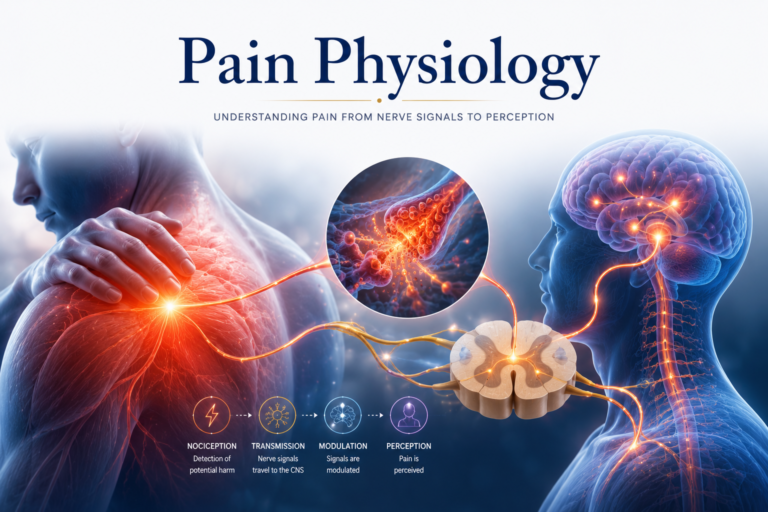
    Learn how nervous tissue transmits pain signals, how the nervous system adapts to injury, and how physical therapy uses neuroscience to reduce pain and restore function. Pain is one of the most common reasons people seek physical therapy. Whether it originates from a fresh injury, a chronic condition, post-surgical recovery, or a neurological disorder, pain…

    Read More Nervous Tissue: Understanding Pain Transmission and Its Role in Physical TherapyContinue

  • The Cell Nucleus and DNA: How Genetic Information Controls Tissue Repair
    Cell & Tissues

    The Cell Nucleus and DNA: How Genetic Information Controls Tissue Repair

    ByPaul Morgan June 11, 2026June 11, 2026

    Learn how the cell nucleus and DNA regulate tissue repair, protein synthesis, and muscle regeneration — and why this matters for physical therapy and recovery. Inside every cell in your body — from the muscle fibers in your thigh to the collagen-producing cells in your tendons — there is a command center. It is the…

    Read More The Cell Nucleus and DNA: How Genetic Information Controls Tissue RepairContinue

  • White Blood Cells: The Soldiers of Immune Defense and Their Role in Physical Therapy
    Immunity, Blood & Healing

    White Blood Cells: The Soldiers of Immune Defense and Their Role in Physical Therapy

    ByPaul Morgan June 10, 2026

    Learn about the different types of white blood cells, how they defend the body against injury and infection, and how physical therapy influences immune cell activity. When an injury occurs — a torn muscle, a sprained ligament, a post-surgical wound — the body’s healing process depends on a rapid mobilization of the immune system. At…

    Read More White Blood Cells: The Soldiers of Immune Defense and Their Role in Physical TherapyContinue

  • The Endocrine System: Hormones That Regulate Recovery and Stress in Physical Therapy
    Physiology & Homeostasis

    The Endocrine System: Hormones That Regulate Recovery and Stress in Physical Therapy

    ByPaul Morgan June 10, 2026

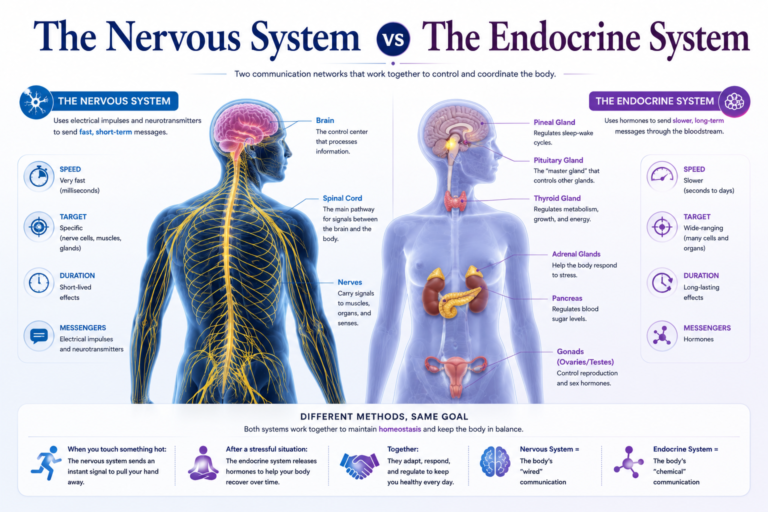
    Discover how the endocrine system regulates recovery, manages stress, and influences rehabilitation outcomes through key hormones like cortisol, growth hormone, and insulin. Behind every muscle that contracts, every wound that heals, and every exercise adaptation that occurs during physical therapy, a complex chemical communication system is at work. The endocrine system — a network of…

    Read More The Endocrine System: Hormones That Regulate Recovery and Stress in Physical TherapyContinue

  • Glycolysis Explained: How Sugar Powers Your Muscles During Physical Therapy
    Metabolism

    Glycolysis Explained: How Sugar Powers Your Muscles During Physical Therapy

    ByPaul Morgan June 10, 2026June 10, 2026

    Understand glycolysis — how glucose is broken down to power muscles — and why this metabolic pathway is central to exercise capacity and physical therapy rehabilitation. Every time a muscle contracts — whether during a therapeutic exercise session, a walk in the park, or an intense rehabilitation drill — glucose is being broken down to…

    Read More Glycolysis Explained: How Sugar Powers Your Muscles During Physical TherapyContinue

  • Lipids and Fats: Beyond Energy Storage and Their Role in Physiotherapy
    Biochemistry

    Lipids and Fats: Beyond Energy Storage and Their Role in Physiotherapy

    ByPaul Morgan June 10, 2026

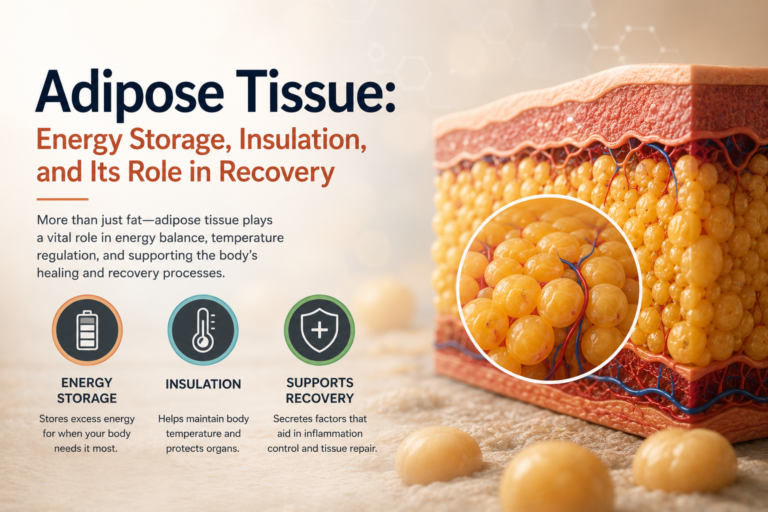
    Explore the many roles of lipids in the human body — from cell membrane structure to inflammation regulation — and how fat metabolism supports physical therapy recovery. For decades, fat had a bad reputation. Dietary fat was blamed for obesity, heart disease, and numerous other health problems. But as our understanding of biochemistry has deepened,…

    Read More Lipids and Fats: Beyond Energy Storage and Their Role in PhysiotherapyContinue

  • Muscle Tissue: How Muscles Contract, Why They Get Injured, and How They Heal
    Histology & Tissues

    Muscle Tissue: How Muscles Contract, Why They Get Injured, and How They Heal

    ByPaul Morgan June 10, 2026June 10, 2026

    Learn how skeletal muscle tissue is structured, how it contracts, why it gets injured, and how physical therapy supports muscle repair and recovery. Muscle tissue is one of the most dynamic and adaptable tissues in the human body. It powers every voluntary movement — from the smallest flicker of a finger to the explosive force…

    Read More Muscle Tissue: How Muscles Contract, Why They Get Injured, and How They HealContinue

  • Mitochondria: The Energy Factories Behind Muscle Performance and Recovery
    Cell & Tissues

    Mitochondria: The Energy Factories Behind Muscle Performance and Recovery

    ByPaul Morgan June 10, 2026June 10, 2026

    Explore how mitochondria produce energy for muscles, why they matter in physical therapy, and how exercise and rehabilitation influence mitochondrial function. Ask anyone what mitochondria do, and you will likely hear the same answer: “They are the powerhouse of the cell.” But this famous phrase barely scratches the surface. Mitochondria are extraordinary organelles — dynamic,…

    Read More Mitochondria: The Energy Factories Behind Muscle Performance and RecoveryContinue

  • Inflammation: Friend or Foe in Physical Therapy Recovery?
    Immunity, Blood & Healing

    Inflammation: Friend or Foe in Physical Therapy Recovery?

    ByPaul Morgan June 9, 2026

    Understand the biology of inflammation — why it is necessary for healing, when it becomes problematic, and how physical therapy manages inflammation for optimal recovery. Few biological processes are as misunderstood as inflammation. Popular culture treats it as an enemy — something to be suppressed with ice packs, anti-inflammatory drugs, and rest at all costs….

    Read More Inflammation: Friend or Foe in Physical Therapy Recovery?Continue

  • Body Fluids: Intracellular vs Extracellular and Their Role in Edema Management
    Physiology & Homeostasis

    Body Fluids: Intracellular vs Extracellular and Their Role in Edema Management

    ByPaul Morgan June 9, 2026June 9, 2026

    Understand how body fluid compartments work, what causes edema after injury or surgery, and how physical therapy techniques manage fluid balance to support healing. Swelling after an injury is one of the most immediately visible signs that something has gone wrong in the body. It is also one of the most common challenges managed in…

    Read More Body Fluids: Intracellular vs Extracellular and Their Role in Edema ManagementContinue

Page navigation

Previous PagePrevious 1 2 3 Next PageNext
  • Privacy Policy
  • Cookies Policy
  • Legal Notice
  • Contact Us

© 2026 - WordPress Theme by Kadence WP

Powered by
►
Necessary cookies enable essential site features like secure log-ins and consent preference adjustments. They do not store personal data.
None
►
Functional cookies support features like content sharing on social media, collecting feedback, and enabling third-party tools.
None
►
Analytical cookies track visitor interactions, providing insights on metrics like visitor count, bounce rate, and traffic sources.
None
►
Advertisement cookies deliver personalized ads based on your previous visits and analyze the effectiveness of ad campaigns.
None
►
Unclassified cookies are cookies that we are in the process of classifying, together with the providers of individual cookies.
None
Powered by
  • Cell & Tissues
  • Histology & Tissues
  • Biochemistry
  • Metabolism
  • Physiology & Homeostasis
  • Immunity, Blood & Healing