Types of Body Tissues: The Foundation of Physical Therapy Treatment
Explore the four main types of human body tissues, their structures and functions, and why understanding histology is essential for physical therapy.
The human body is not just a collection of organs and bones. At a deeper level, it is an intricate assembly of tissues — each with its own structure, function, and capacity for repair. Understanding the basic tissue types is fundamental to understanding how the body works, how it gets injured, and how physical therapy helps it recover.
Histology is the branch of science that studies tissues. The word comes from the Greek histos, meaning “web” or “tissue.” A tissue is defined as a group of cells with similar characteristics that are organized in a specific way to perform a shared function. Multiple tissues combine to form organs, and organs work together within body systems.
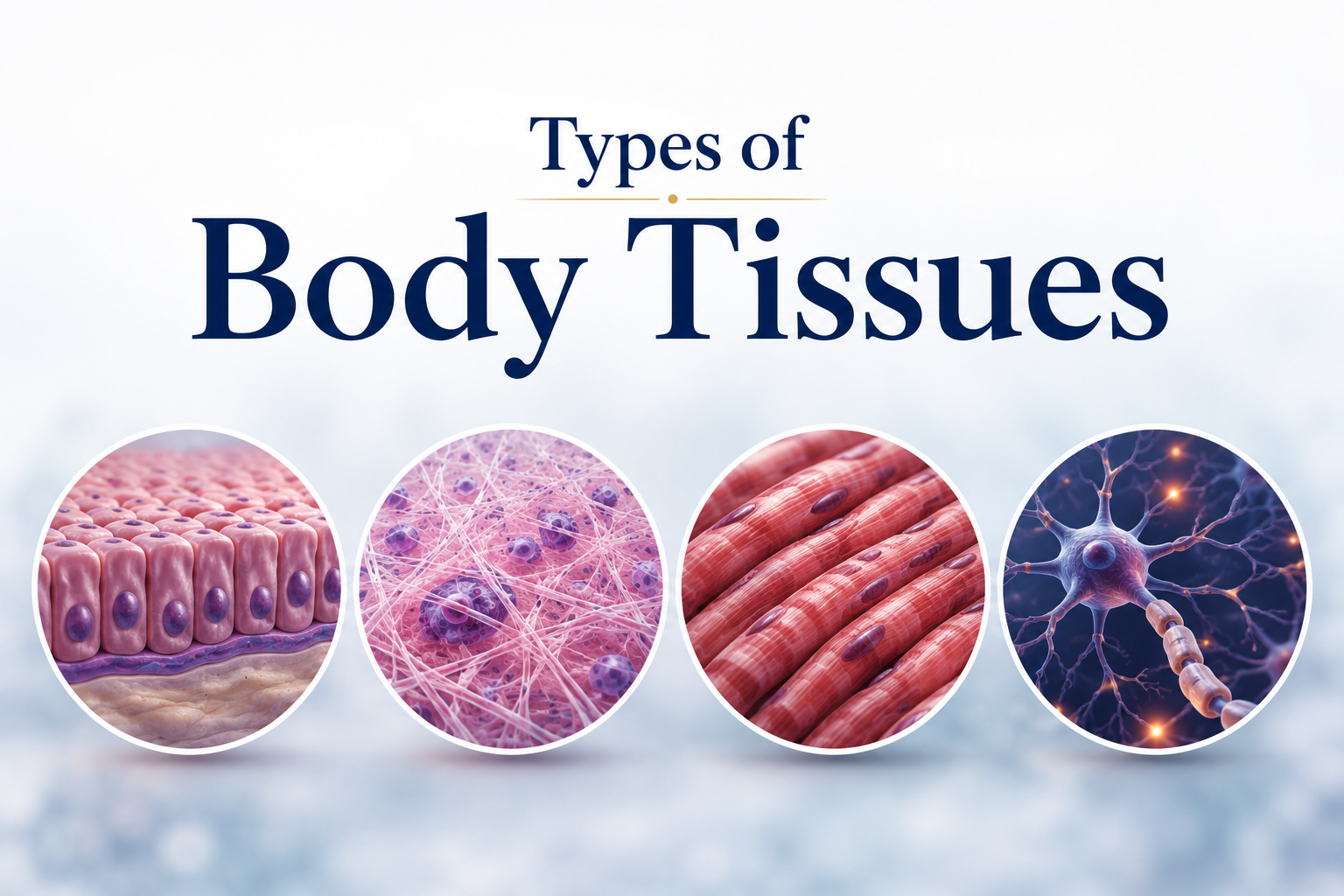
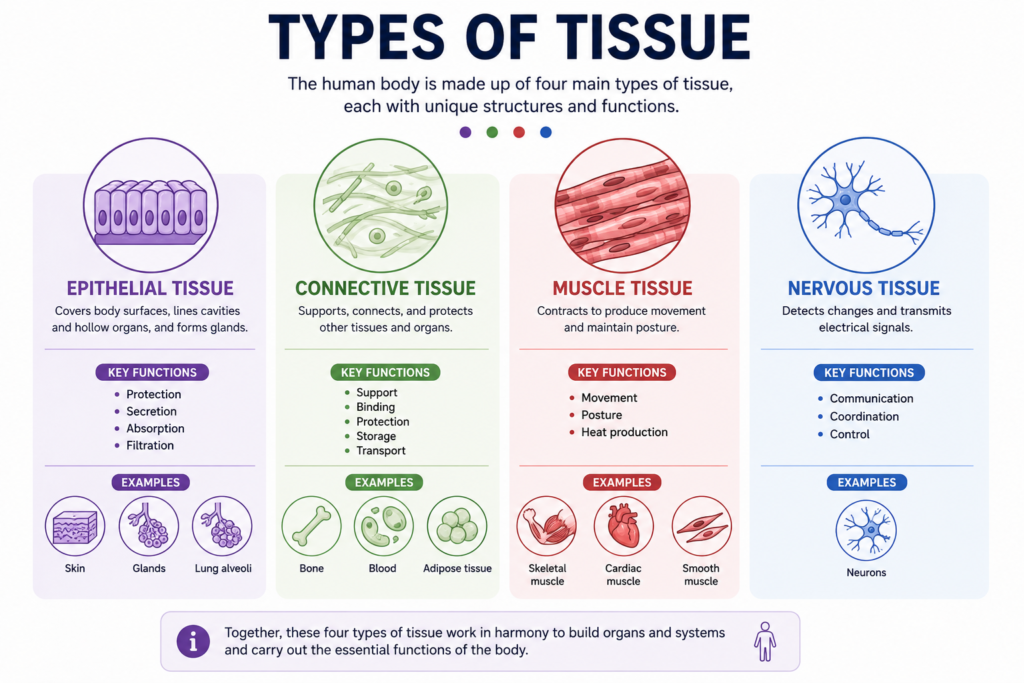
The human body has four primary tissue types: epithelial tissue, connective tissue, muscle tissue, and nervous tissue. Each plays a distinct role in physical therapy treatment and rehabilitation.
Epithelial Tissue: The Body’s Covering and Lining
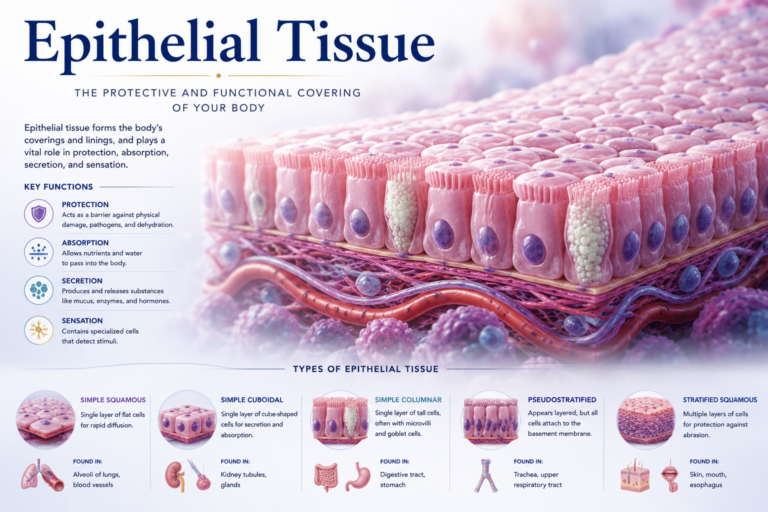
Epithelial tissue forms the outer covering of the body (the skin) and lines the internal cavities and organs — including the respiratory tract, digestive system, blood vessels, and glands. It is characterized by cells that are packed tightly together with little space between them, forming continuous sheets.
Epithelial tissue performs several key functions:
- Protection: The skin forms a physical and chemical barrier against pathogens, UV radiation, and mechanical injury.
- Absorption: Epithelial cells in the small intestine absorb nutrients.
- Secretion: Glandular epithelium produces hormones, enzymes, mucus, and other secretions.
- Sensation: Some epithelial cells contain sensory receptors.
In physical therapy, epithelial tissue is relevant primarily in wound care and management of skin integrity. Patients with pressure ulcers, post-surgical wounds, or burns require physical therapy interventions that support epithelial regeneration and prevent infection. The ability of epithelial tissue to regenerate is relatively high, as basal epithelial cells divide continuously to replace those lost from the surface.
Connective Tissue: The Body’s Support System
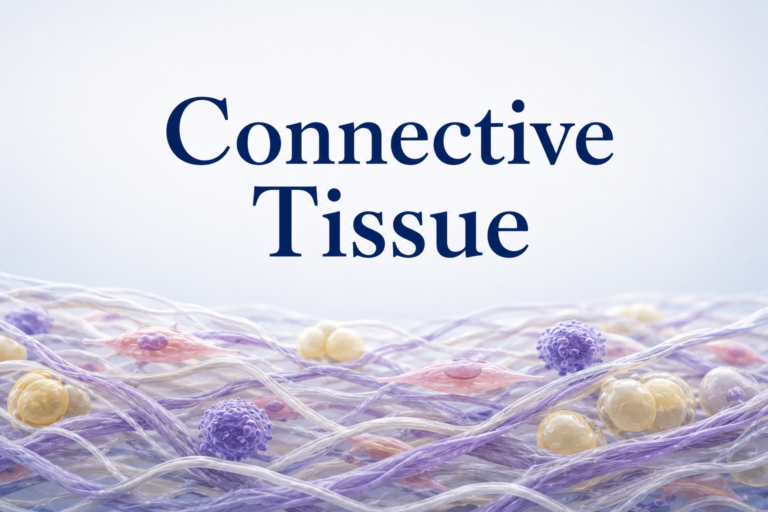
Connective tissue is the most abundant and widely distributed tissue in the body. Unlike epithelial tissue, connective tissue cells are spread within an extracellular matrix — a combination of protein fibers (primarily collagen and elastin) and a ground substance that gives the tissue its specific mechanical properties.
Connective tissue includes a broad family of tissue subtypes:
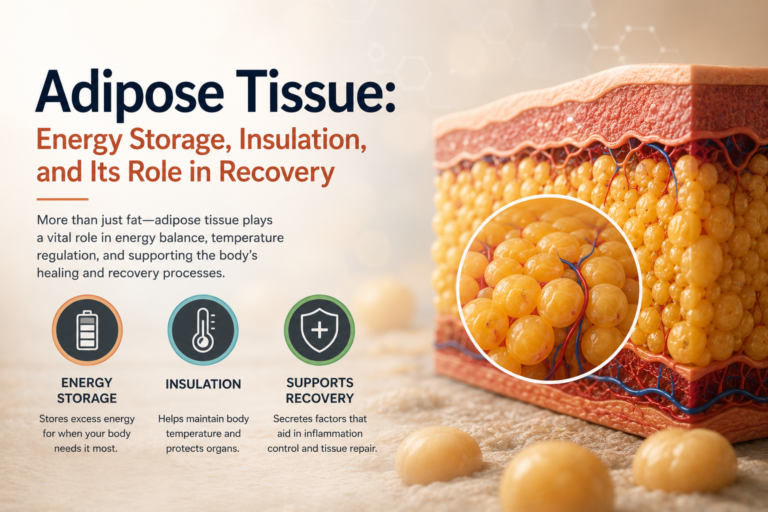
- Loose connective tissue: The packing material of the body, filling spaces between organs and providing support.
- Dense connective tissue: Forms tendons (connecting muscle to bone) and ligaments (connecting bone to bone). Rich in collagen fibers, it provides tensile strength.
- Cartilage: A firm but flexible tissue that covers joint surfaces and provides cushioning.
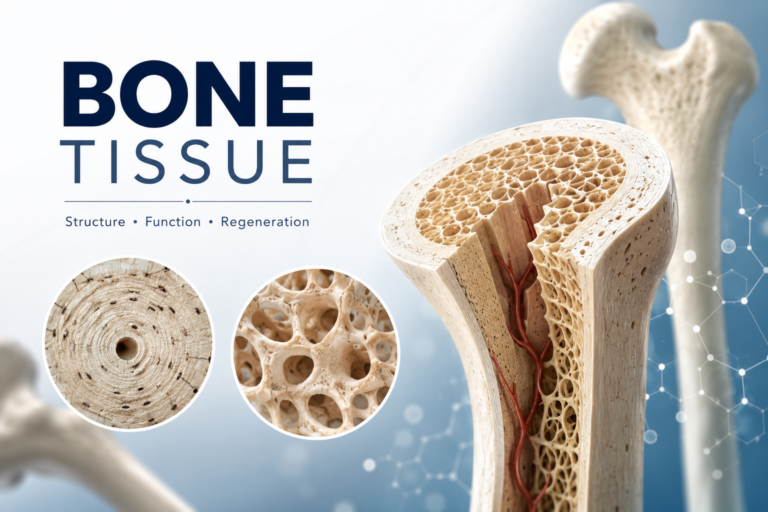
- Bone: A highly specialized connective tissue with a mineralized matrix, providing structural support and protection.
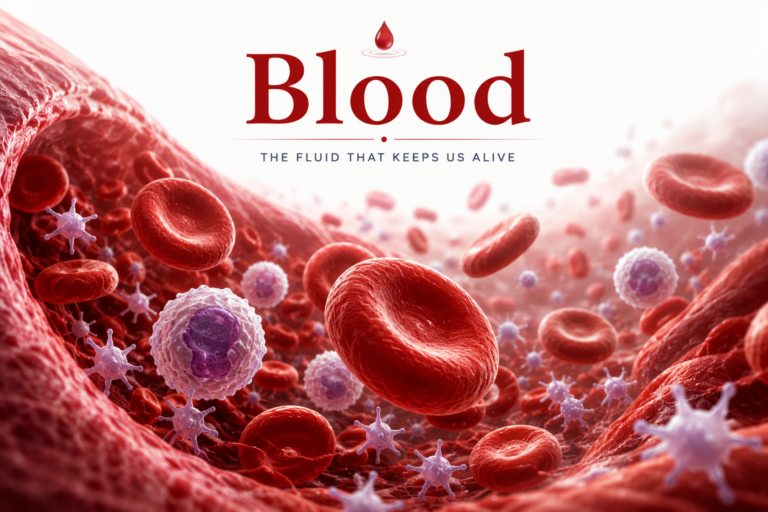
- Blood: A fluid connective tissue that transports oxygen, nutrients, hormones, and waste products.
Connective tissue is by far the most commonly treated tissue in physical therapy. Tendon injuries, ligament sprains, joint cartilage damage, muscle tears, and fascial restrictions all involve connective tissue. Understanding its structure and healing biology — particularly its dependence on collagen production and mechanical loading — guides the therapeutic exercise programs that physical therapists prescribe.
Muscle Tissue: The Engine of Movement
Muscle tissue is specialized for contraction. It converts chemical energy (ATP) into mechanical force, enabling movement, maintaining posture, and generating body heat. There are three types of muscle tissue:
Skeletal muscle is the muscle responsible for voluntary movement of the body. It is attached to bones by tendons and is under conscious control via the nervous system. Skeletal muscle has a remarkable capacity for regeneration through satellite cells, and it adapts significantly to exercise through hypertrophy (increased muscle fiber size) and neural adaptations.
Cardiac muscle is found exclusively in the heart. It is involuntary and highly resistant to fatigue. Cardiac muscle cells are connected by specialized junctions (intercalated discs) that allow the entire heart to contract as a coordinated unit.
Smooth muscle lines the walls of hollow organs — including blood vessels, the digestive tract, bladder, and uterus. It is involuntary and generates slower, sustained contractions. Smooth muscle tone in blood vessels influences blood pressure and local blood flow — factors that are relevant in rehabilitation, particularly in patients with cardiovascular conditions.
Physical therapy primarily targets skeletal muscle, but awareness of cardiac and smooth muscle function is important for understanding exercise tolerance, blood pressure responses to therapy, and the systemic effects of physical activity.
Nervous Tissue: The Communication Network
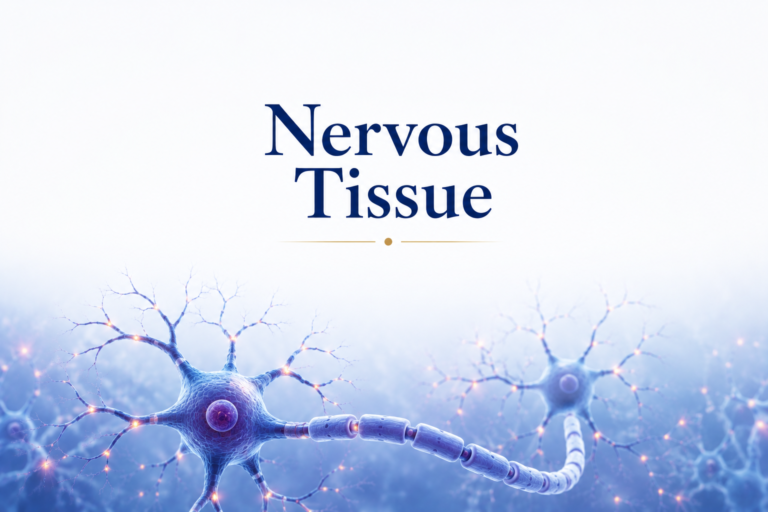
Nervous tissue is composed of two main cell types: neurons and glial cells. Neurons are the electrically excitable cells that transmit signals (action potentials) throughout the nervous system. Glial cells support, protect, and nourish neurons.
Nervous tissue has a unique property that is especially relevant to physical therapy: while mature neurons typically cannot divide, the nervous system has substantial plasticity — the ability to reorganize connections, strengthen synapses, and adapt to new demands. This neuroplasticity is the basis of neurological rehabilitation.
In musculoskeletal physical therapy, nervous tissue plays a central role in pain perception, motor control, and proprioception (the sense of body position). Many physical therapy techniques — including manual therapy, therapeutic exercise, and neuromuscular re-education — target the nervous system to reduce pain, restore normal movement patterns, and improve coordination.
Nerve injuries — such as peripheral nerve entrapment, radiculopathy, or post-surgical nerve damage — represent a specific category of conditions treated in physical therapy. Understanding the biology of nervous tissue informs the gentle, progressive approaches used to restore nerve function.
How Tissues Work Together: The Example of a Tendon Injury
Understanding all four tissue types becomes especially useful when considering a common physical therapy presentation — a tendon injury. A tendon is made primarily of dense connective tissue (Type I collagen). When it is injured:
- Connective tissue cells (tenocytes and fibroblasts) must divide and produce new collagen.
- Blood vessels (connective tissue) must grow into the repair site to deliver oxygen and nutrients.
- Nervous tissue in and around the tendon carries pain signals and proprioceptive information.
- Skeletal muscle tissue attached to the tendon must be conditioned to support the repair without overloading it.
Physical therapy addresses all of these tissue components simultaneously — which is part of what makes it such an effective intervention for complex musculoskeletal conditions.
Tissue Healing: General Principles
All tissue types go through broadly similar phases of healing after injury:
- Inflammatory phase (days 1-5): Damaged cells release signals that attract immune cells. Blood flow increases, causing the classic signs of inflammation: redness, heat, swelling, and pain.
- Proliferative phase (days 5-21): New cells are produced and begin rebuilding the damaged tissue. Collagen is laid down, new blood vessels form, and the tissue gradually regains strength.
- Remodeling phase (weeks to months): The new tissue is reorganized and refined in response to mechanical forces. This is the phase during which progressive therapeutic exercise is most important — the mechanical signals provided by exercise guide the proper alignment and quality of new tissue.
Physical therapists time their interventions to align with these phases, using different techniques and intensities at different stages of healing.
Conclusion
The four tissue types — epithelial, connective, muscle, and nervous — are the building blocks of the human body. Each has unique structural features that allow it to perform specific functions, and each has its own capacity for repair and response to injury.
Physical therapy is fundamentally a practice of understanding tissues and providing the conditions they need to heal and adapt. Whether managing a ligament sprain, rehabilitating a post-surgical muscle, treating a nerve injury, or promoting wound healing, physical therapists work with the biology of tissues every single day. The more deeply we understand those tissues, the more effectively we can support the body’s remarkable capacity for recovery.
References
- Ross, M.H., & Pawlina, W. (2020). Histology: A Text and Atlas (8th ed.). Wolters Kluwer.
- Mescher, A.L. (2021). Junqueira’s Basic Histology: Text and Atlas (16th ed.). McGraw-Hill.
Disclaimer: This article is for educational purposes only and does not constitute medical advice. Always consult a qualified healthcare professional for personal health concerns.
The site is written and curated by Paul Morgan, a graduate in Physiotherapy (2026), with a particular interest in cardiorespiratory and musculoskeletal physical therapy. Every article on this site is grounded in academic physiology and physical therapy coursework. Content reviewed for clinical accuracy before publishing.