Protein Metabolism and Amino Acids: The Key to Muscle Repair in Physical Therapy
Explore how the body metabolizes proteins and amino acids, why protein turnover is central to muscle repair, and how physical therapy patients can optimize protein metabolism for recovery.
When a muscle is injured or a tendon repaired, when a bone is healing or scar tissue is being remodeled, the body must manufacture new proteins. This biological construction project depends on amino acids — the molecular building blocks of proteins — and on the complex network of metabolic pathways that produce, process, recycle, and degrade them. Understanding protein metabolism is essential for anyone seeking to optimize recovery from injury, surgery, or immobilization through physical therapy.
Unlike fat and carbohydrate metabolism, protein metabolism is uniquely double-edged: proteins can be broken down to provide energy, but they are also irreplaceable structural and functional components. Managing this balance — protecting protein (especially muscle mass) while ensuring adequate energy for repair — is one of the key nutritional challenges of rehabilitation.
Protein Digestion and Amino Acid Absorption
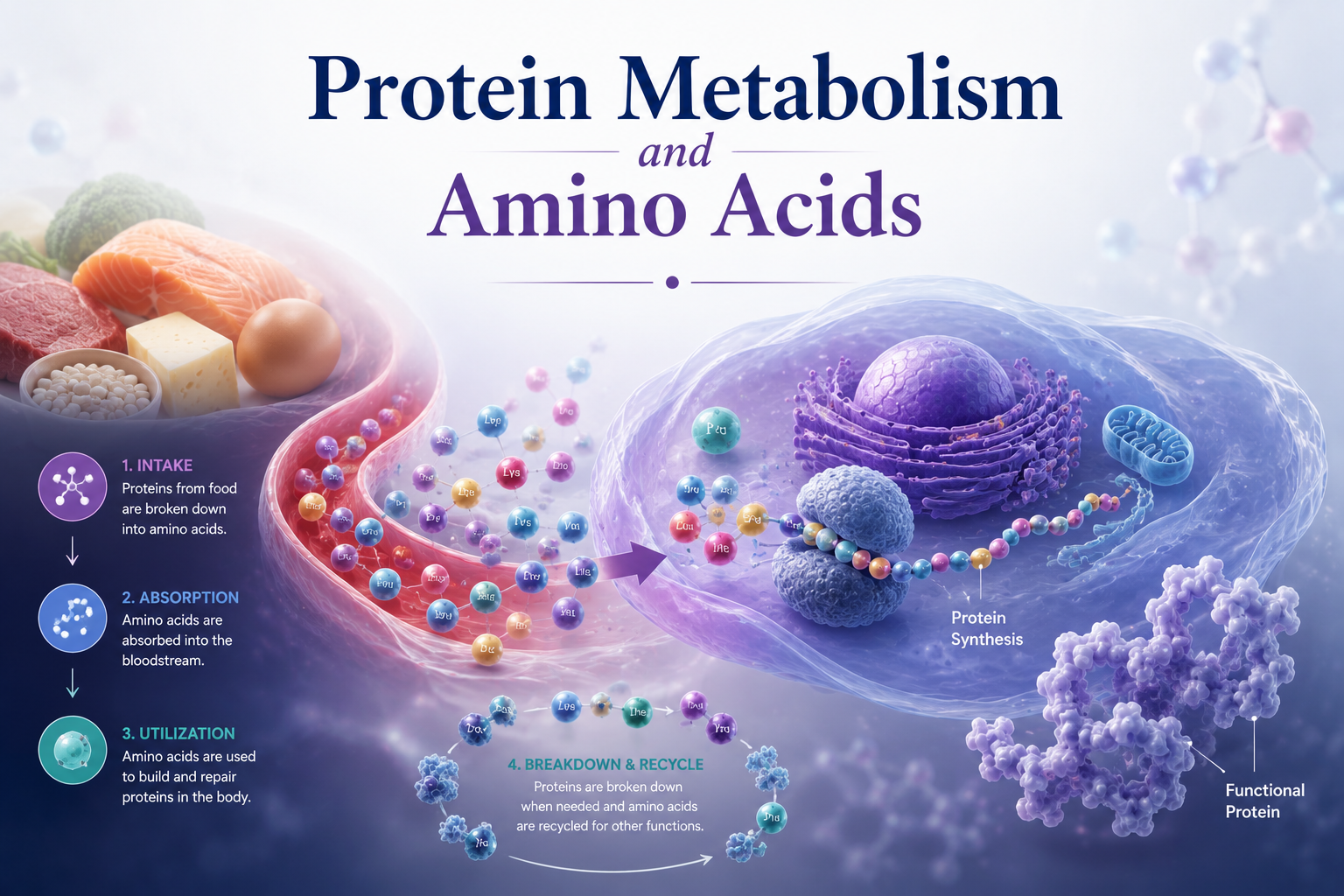
The story of protein metabolism begins with digestion. Dietary proteins are large, complex molecules that cannot be absorbed intact — they must first be broken down into their constituent amino acids.
This process begins in the stomach, where hydrochloric acid denatures proteins (unfolds them) and activates pepsinogen to pepsin — a protease (protein-cutting enzyme) that begins cleaving peptide bonds. The partially digested protein then moves to the small intestine, where pancreatic proteases (including trypsin, chymotrypsin, and elastase) continue the digestion. Finally, enzymes on the intestinal wall (peptidases) complete the breakdown into individual amino acids, dipeptides, and tripeptides.
These small molecules are absorbed by intestinal epithelial cells and transported into the portal blood, which carries them to the liver. The liver is the primary site of amino acid processing — it regulates the distribution of absorbed amino acids to different tissues and removes excess nitrogen through the urea cycle.
The Fate of Amino Acids in the Body
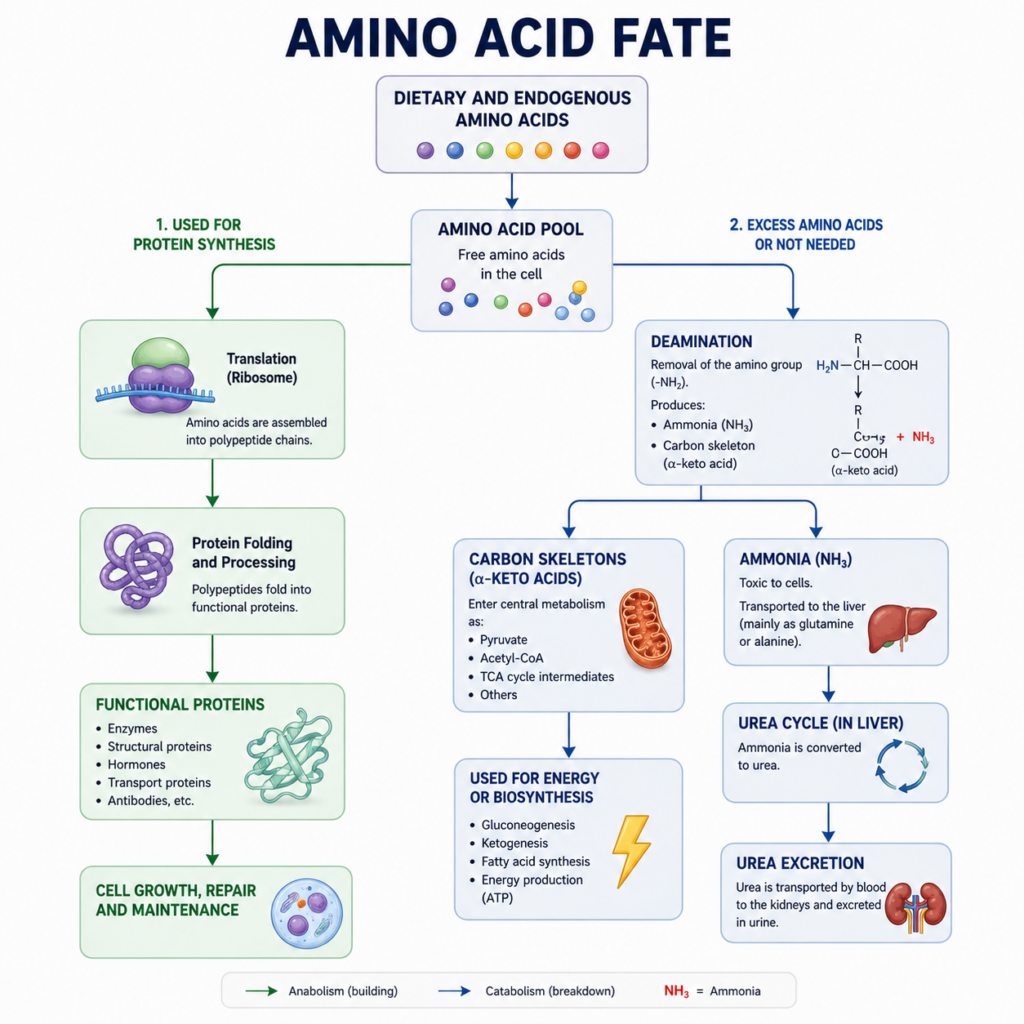
Once absorbed and distributed, amino acids can be used in several ways:
1. Protein synthesis: Amino acids are assembled into new proteins by ribosomes, following instructions encoded in mRNA. This is the primary and most important use — proteins perform virtually all structural and functional roles in the body. During rehabilitation, protein synthesis in muscle, tendon, bone, and immune cells is the primary therapeutic goal.
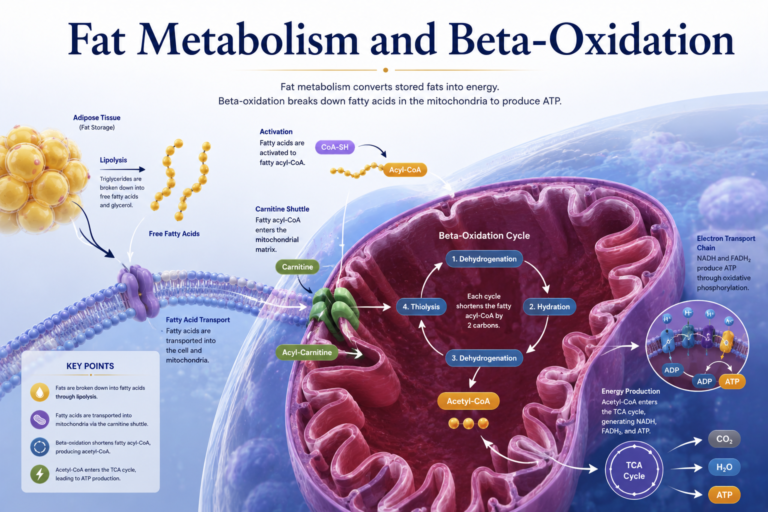
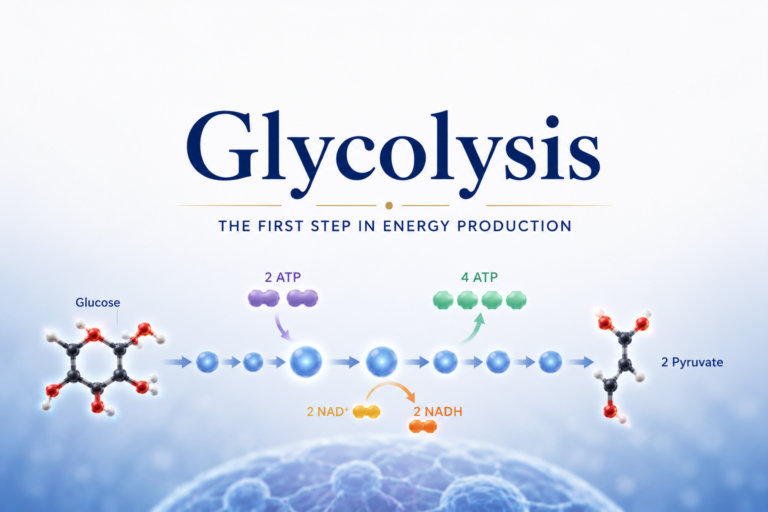
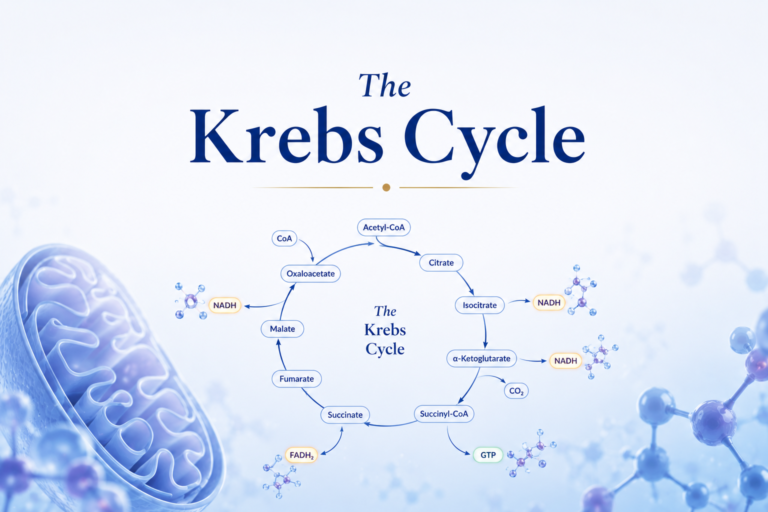
2. Energy production: Amino acids can be catabolized (broken down) to provide energy — particularly during prolonged exercise, caloric restriction, or high physiological stress. The amino group is removed (deamination) and excreted as urea, while the carbon skeleton is converted into pyruvate, acetyl-CoA, or Krebs cycle intermediates. This is metabolically costly — the body prefers to use carbohydrates and fats for energy and preserve amino acids for protein synthesis.
3. Gluconeogenesis: Certain amino acids (called glucogenic amino acids, including alanine, glutamine, and serine) can be converted to glucose in the liver — providing fuel for the brain and red blood cells during fasting or intense exercise. This is a critical survival mechanism but can deplete muscle protein if dietary protein is insufficient.
4. Synthesis of other nitrogen-containing compounds: Amino acids are precursors to neurotransmitters (serotonin from tryptophan, dopamine and adrenaline from phenylalanine and tyrosine), hormones (thyroid hormones from tyrosine), nucleotides (for DNA and RNA), creatine, and other vital molecules.
Nitrogen Balance: The Metabolic Scorecard
The concept of nitrogen balance provides a useful way to assess the overall state of protein metabolism. Proteins contain nitrogen (in their amino groups), so measuring nitrogen intake (from dietary protein) and nitrogen excretion (primarily as urea in urine) reveals whether protein is being gained or lost.
- Positive nitrogen balance: Nitrogen intake > Nitrogen excretion. The body is retaining more protein than it is losing — muscle is being built or maintained. This is the desired state during physical therapy rehabilitation.
- Negative nitrogen balance: Nitrogen intake < Nitrogen excretion. The body is losing more protein than it is consuming — muscle is being broken down. This occurs during illness, surgery recovery, starvation, prolonged immobilization, and excessive exercise without adequate nutrition.
- Nitrogen equilibrium: Intake = Excretion. Protein is being maintained. Healthy adults in maintenance are ideally in this state.
Physical therapy patients recovering from surgery or injury are often in negative nitrogen balance for the first days to weeks after the event — a consequence of elevated cortisol and reduced mobility. Adequate protein intake and early therapeutic exercise are the two most powerful tools for restoring positive nitrogen balance.
Muscle Protein Turnover: A Dynamic System
Contrary to what you might expect, muscle proteins are not static. They are continuously being synthesized and broken down — a process called protein turnover. Each day, the body synthesizes and degrades approximately 300-400 grams of protein, including significant amounts of muscle protein.
This continuous turnover serves important functions: it removes damaged or misfolded proteins, allows muscle composition to adapt to changing demands, and maintains protein quality. The net effect on muscle mass depends on the balance between synthesis and breakdown rates.
Muscle protein synthesis (MPS) is stimulated primarily by:
- Resistance exercise (the most powerful stimulus — particularly exercises involving high muscle tension and metabolic stress)
- Essential amino acid intake, especially leucine (a key activator of the mTOR pathway, which drives ribosomal protein synthesis)
- Growth hormone and IGF-1 (anabolic hormones elevated after exercise and during sleep)
- Insulin (which inhibits muscle protein breakdown and modestly supports synthesis)
Muscle protein breakdown (MPB) is elevated by:
- Cortisol (the primary catabolic stress hormone)
- Disuse and immobilization (within days of immobilization, MPB accelerates dramatically)
- Caloric deficit (the body breaks down muscle for energy)
- Inflammation (pro-inflammatory cytokines promote muscle catabolism — a mechanism called “anorexia of inflammation”)
The key to successful physical therapy rehabilitation is creating conditions where MPS consistently exceeds MPB — through appropriate exercise, adequate protein intake, and management of catabolic stressors.
Key Amino Acids in Physical Therapy
Several amino acids deserve special attention in the rehabilitation context:
Leucine is the most potent stimulator of MPS among the essential amino acids. It activates the mTOR (mechanistic Target of Rapamycin) signaling pathway — the master regulator of protein synthesis in muscle cells. Foods rich in leucine include whey protein, eggs, meat, fish, and dairy.
Glutamine is the most abundant amino acid in the body. During illness, surgery, or intense exercise, glutamine demand can exceed the body’s synthetic capacity (making it conditionally essential). It supports immune function, gut integrity, and is used as fuel by rapidly dividing cells — important in tissue repair.
Glycine and proline are the most abundant amino acids in collagen. Adequate intake of these amino acids — along with vitamin C, which is essential for collagen maturation — supports tendon, ligament, and bone repair. Gelatin or hydrolyzed collagen supplementation before loading exercise has emerging evidence for supporting collagen synthesis in tendons.
Branched-chain amino acids (BCAAs — leucine, isoleucine, valine) are unique in that they are metabolized directly in muscle (rather than primarily in the liver). They serve both as fuel for muscle during exercise and as substrates for muscle protein synthesis.
Practical Protein Recommendations for Physical Therapy Patients
Research supports the following protein intake guidelines for rehabilitation patients:
- Minimum for healing: 1.2-1.6 g/kg/day (significantly more than the 0.8 g/kg/day general recommendation)
- Optimal for muscle rebuilding: 1.6-2.0 g/kg/day
- Older adults (who have reduced MPS efficiency): 1.8-2.2 g/kg/day
Protein should be distributed across 3-4 meals and snacks throughout the day, with each serving providing approximately 25-40 grams of high-quality protein. This distribution maximizes the frequency of leucine-triggered MPS stimulation.
Timing also matters: consuming protein within 30-60 minutes after therapeutic exercise takes advantage of the elevated post-exercise MPS response and insulin sensitivity window.
Conclusion
Protein metabolism is the biochemical foundation of tissue repair. Every collagen fiber rebuilt in a healing tendon, every myosin molecule synthesized in a recovering muscle, every antibody produced by the immune system depends on the continuous synthesis of proteins from amino acids. Physical therapy optimizes this process by providing the mechanical stimuli that drive protein synthesis, while adequate nutrition provides the raw materials.
Understanding protein metabolism empowers physical therapy patients to see nutrition not as a separate issue from their rehabilitation, but as an integral part of the healing process. Together, the right exercise and the right nutrition create the conditions for the body’s remarkable protein synthesis machinery to do its work efficiently and completely.
References
- Nelson, D.L., & Cox, M.M. (2021). Lehninger Principles of Biochemistry (8th ed.). W.H. Freeman.
- Berg, J.M., Tymoczko, J.L., Gatto, G.J., & Stryer, L. (2019). Biochemistry (9th ed.). W.H. Freeman.
Disclaimer: This article is for educational purposes only and does not constitute medical advice. Always consult a qualified healthcare professional for personal health concerns.
The site is written and curated by Paul Morgan, a graduate in Physiotherapy (2026), with a particular interest in cardiorespiratory and musculoskeletal physical therapy. Every article on this site is grounded in academic physiology and physical therapy coursework. Content reviewed for clinical accuracy before publishing.